Backsplash Installation Services in Fort Collins, CO
Backsplash Installation Kings provides backsplash installation, kitchen tile backsplash, and bathroom vanity backsplash services in the Fort Collins, CO area for both residential and commercial properties, from subway and porcelain tile to glass, stone and mosaic. Contact us now for a free estimate.
How Much Does Backsplash Installation Cost in Fort Collins, CO?
Backsplash installation in Fort Collins, CO costs anywhere from $620 to $1,560 on average for a typical 30 to 40 square foot kitchen backsplash in ceramic or porcelain tile. The price depends on the square footage, the tile material and size, the pattern, how many outlets, windows and corners we cut around, and whether an old backsplash has to come off first.
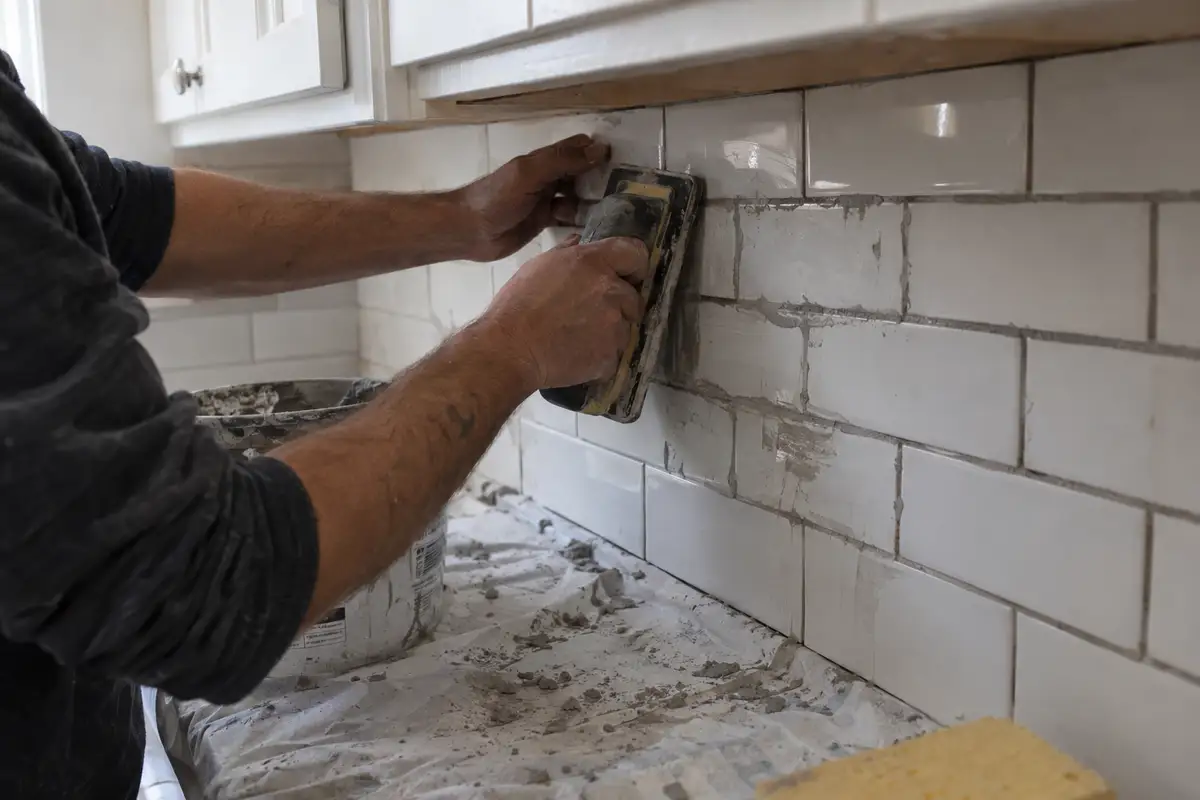
Do You Install Backsplashes in Homes and Businesses?
Yes, we install backsplashes in houses, condos, rental units, offices, and break rooms. Let us know the property type and whether it's a kitchen or a bathroom.
Do You Service My Area?
Yes, we cover the Fort Collins, CO area. Send us the property address and we'll confirm.
How Soon Can You Install My Backsplash?
Most backsplash jobs can be booked as soon as the tile is on site and the countertops are in. Tell us when your tile is due and we'll schedule around it.
Should the Countertops Go In Before the Backsplash?
Yes, in almost every case. The backsplash sits on the finished countertop, so we tile after the counters are installed. Where there's no counter, such as beside a range, we hold the bottom row level with a temporary ledger board.
What Information Do You Need for a Backsplash Quote?
We need the address, photos of each wall, rough measurements of length and height, the tile you have in mind, and the pattern. Mention any old backsplash that has to come off.
Can You Install Tile I Already Bought?
Yes, we install tile that customers buy themselves. Tell us the tile name and size, and buy about 10% more than the measured area to cover cuts and breakage.
Does Your Quote Include the Tile and Materials?
Yes, if we're supplying the tile. Thinset, grout, and caulk are usually included either way, and the quote lists exactly what's covered.
Can I Get a Price Before the Work Begins?
Yes, we confirm the price before starting. If we find damaged drywall or a wavy wall once the old backsplash is off, we talk to you before doing any extra work.
Will I Need to Be Home During the Installation?
No, as long as we can get in and the layout has been approved. It helps to be there on the first morning to confirm where the tile starts, stops, and centers.
Can I Get a Backsplash Installed in a Rental Unit?
Yes, with written approval from the owner or property manager.
Do I Need a Permit to Install a Backsplash?
No, a building permit usually isn't needed just to tile a wall. If we move or add outlets, that's electrical work, and many towns want an electrical permit for it. Your local building office decides.
How Long Does Backsplash Installation Take?
Most tile backsplashes take one to three days. We set the tile on day one, then grout after the thinset has cured at least 24 hours, and caulk and clean up after that.
Can I Use My Kitchen While You Install the Backsplash?
Yes, mostly. The countertops along the wall are covered while we work, and the range may be pulled out for a day, so plan on limited counter space until the grout is done.
How Soon Can I Use My Kitchen After the Backsplash Is Done?
You can cook the day we finish, but keep water off the caulk for about 24 hours. We usually wait 48 to 72 hours before sealing the grout.
What Is the Best Tile for a Kitchen Backsplash?
Ceramic and porcelain are what we install most, since they're affordable, easy to clean, and handle splashes well. Installed, they typically run about $12 to $35 per square foot, while glass and marble cost more.
Can You Install a Subway Tile Backsplash?
Yes, subway tile is the most common backsplash we install. We usually start with a full tile at the countertop and center the layout on the range or sink.
Can You Install a Glass Tile Backsplash?
Yes, we set glass tile in white thinset, never mastic, because the adhesive shows through clear glass. We grout it with unsanded grout so the glass doesn't get scratched.
Can You Install a Marble or Natural Stone Backsplash?
Yes, we install marble, travertine, slate, and other stone tile. Marble and travertine are porous, so we seal them to help resist grease and stains.
Can You Install a Mosaic or Herringbone Backsplash?
Yes, we install mosaic sheets, herringbone, chevron, and other patterns. Patterned layouts take more cutting, so they typically cost about 10% to 20% more than a straight set.
Can You Install a Full Slab Quartz or Granite Backsplash?
Yes, in most cases, often working alongside the countertop fabricator. A slab has no grout lines, but it's heavy, costs more per square foot, and we have it templated and cut to fit.
Can You Install a Peel-and-Stick Backsplash?
Yes, we install peel-and-stick tile on smooth, clean walls. It goes up faster and costs less, but it isn't as durable as real tile set in thinset.
Can You Run the Backsplash All the Way to the Ceiling?
Yes, we tile full height walls and open walls with no upper cabinets. A full height backsplash takes about three times the tile of a standard 18 inch one, so the price rises with it.
Can You Tile the Wall Behind My Stove?
Yes, the range wall is usually the main feature. We pull the range out to tile behind it, and we keep wood products like beadboard away from gas burners as the range maker and local code require.
Can You Tile Around a Kitchen Window?
Yes, we tile up to and around windows. We often take off the window apron so the tile runs cleanly under the sill, then caulk where tile meets the trim.
What Happens to My Outlets When You Tile Around Them?
We turn off the power, pull the outlets forward, and cut the tile around each box. Outlets have to finish flush with the tile, so we add box extenders where the tile is thick.
Can You Add Under-Cabinet Lighting or Outlets at the Same Time?
Yes, it's the best time to do it, before the tile goes up. New wiring and outlets are done by a licensed electrician, so tell us early and we'll plan the order.
Can You Install a Backsplash in a Bathroom?
Yes, we tile vanity backsplashes and the wall behind bathroom sinks. A typical vanity backsplash is about 8 square feet, so it's a much smaller job than a kitchen.
Can You Remove My Old Backsplash First?
Yes, we remove old tile, stone, and laminate backsplashes and haul them away. Removal typically adds about $3 to $6 per square foot and often takes some drywall with it, so the wall may need patching first.
Can You Install New Tile Over My Existing Backsplash?
Yes, if the old tile is flat, solid, and not cracked or loose. We degrease it and use thinset, but the extra thickness has to work at outlets and the edges of the run.
Can You Install a Backsplash Over a Painted Wall?
Yes, painted drywall in good shape takes tile well. We clean off grease and scuff glossy paint so the adhesive grips, and we replace any section that's soft or damaged.
Do I Need Cement Board Behind My Backsplash?
No, not usually. Flat, sound drywall or plaster takes tile well. We put up cement board where the wall is wavy, damaged, covered in wallpaper, or has had water damage.
Can You Add Tile to Match or Extend My Existing Backsplash?
Yes, if the same tile is still available. Older tile is often discontinued, so send us a photo and any leftover pieces, and we'll tell you if a close match is possible.
Should I Clear My Countertops Before You Arrive?
Yes, please clear the counters and take everything off the wall you want tiled. We cover the countertops and cabinets ourselves to keep thinset and grout off them.
What Adhesive Do You Use to Set Backsplash Tile?
We use thinset for most backsplashes, and always for glass, stone, and tile over tile. Premixed mastic can work on dry walls with small ceramic tile, but thinset gives a stronger bond.
Why Do You Caulk Instead of Grout Where the Tile Meets the Counter?
Grout cracks where two surfaces can move. We leave about a 1/8 inch gap at the countertop, cabinets, and inside corners and fill it with flexible caulk.
Can I Install a Backsplash Myself?
Yes, a small ceramic or peel-and-stick backsplash is a fair DIY project. We'd suggest a pro for glass, stone, patterns, and walls with several outlets, since crooked cuts and uneven grout lines are hard to hide.
How Do I Take Care of My New Backsplash?
Wipe it with a mild, non-abrasive cleaner and check the caulk at the countertop now and then. We suggest resealing cement grout every few years, and stone tile when water stops beading on it.
Do You Clean Up After the Installation?
Yes, we wipe off grout haze, remove the counter covers, and haul away scraps.
